Three Things That Changed Who I Am as a Speech Therapist
I’ve been in the field of speech therapy for 10 years, but if I’m being honest, I’ve changed a lot since the beginning. Not just in the “gained more experience” way but in the “had-my-entire-perspective-shifted-multiple-times” way. And every time it happened, I’ve become a better therapist, a better advocate, and honestly, a better person. I spend a lot of time thinking about what 2015, new grad Brittany would think of the SLP I am today. Here are the three biggest things that fundamentally changed the way I operate as a speech-language pathologist, inside and outside of the therapy room.
1. Getting Diagnosed with ADHD
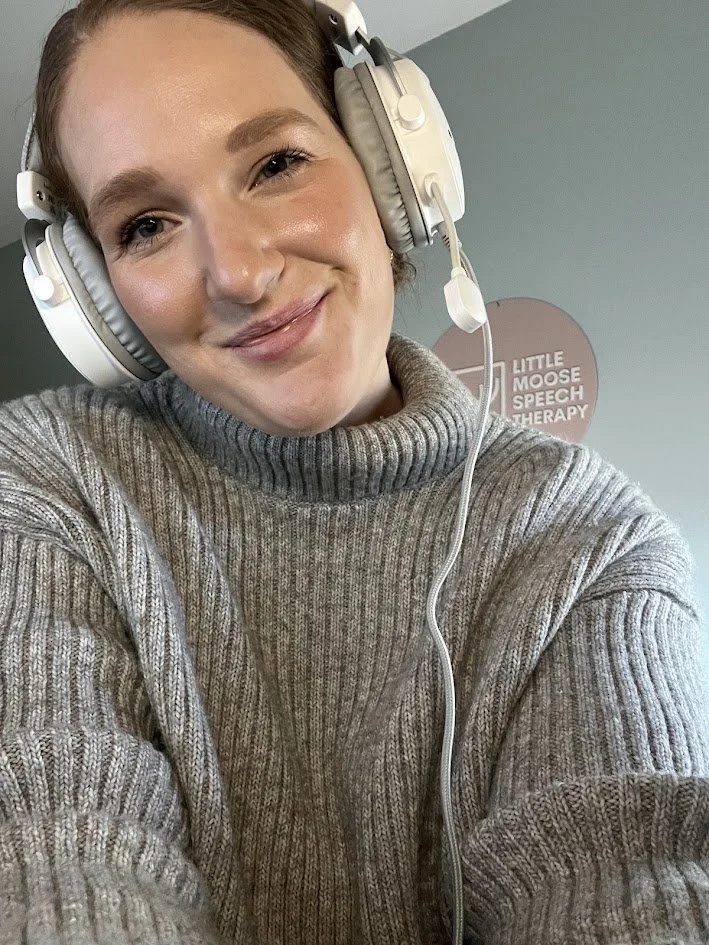
For most of my life, I thought I was just lazy and not good at hard things. My brain felt like it had 84 tabs open at all times (and to be honest, that’s probably how many tabs are open on my laptop at any given time). Every year from high school to grad school, I started each semester with a fresh planner, all the color-coded binders and detailed study plans, then by fall break I realized I forgot about 4 assignments due next week and my planner was… where was it again? Then at age 30, I got diagnosed with ADHD, and suddenly, it all made sense.
This diagnosis (and eventual treatment via medication) changed everything for me—not just personally, but professionally. I began to understand neurodivergence in a completely different way. I saw my young ADHD, autistic, and otherwise neurodivergent kids with more understanding, not just as a professional but as someone who gets it: we don’t fit into a box. In addition, neurodivergence and diagnoses like ADHD and Autism are not big bad words or something we need to “fix” or “overcome”. Neurodivergence is just a different way of functioning and learning. I became a stronger advocate for my students’ needs because I knew firsthand how hard it is when the world isn’t built for your brain Forcing students to sit in their seats and attend to a task they have no interest in is NOT how they will learn best. I began to focus more on their strengths and how their neurodivergence made them unique and less on how they didn’t do XYZ like their neurotypical peers. I stopped writing goals that only resulted in them masking their neurodivergence and started writing goals that made their life more functional and more enjoyable: what THEY wanted.
My ADHD diagnosis also changed how I work outside of direct therapy. I stopped trying to force myself into rigid, traditional planning methods, with the binders and perfect note-taking and detailed lists… and started embracing flexible, neurodiversity-affirming approaches. I went from saying I was Type A perfectionist to realizing, no, masking my symptoms was just the only way I didn’t forget the stove was on and burn the house down! I’m actually Type B and I really am more free and successful when I can let perfectionism go. And, perhaps most significantly, it gave me the push to work for myself instead of trying to fit into a system that wasn’t designed for me. I’m able to create my own schedule, do the work that inspires me the most and provide care in the way that I feel is the most impactful. And whew! I’ll never look back.
2. My Dad’s disability
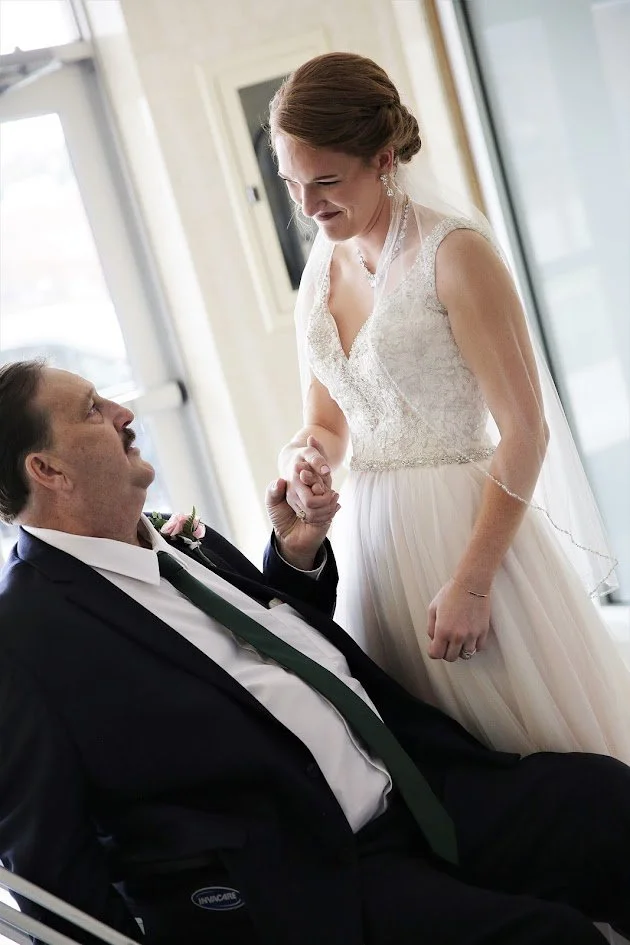
My dad has faced health challenges for most of my life, so technically this life event impacted me before I became an SLP. However, for the sake of this post and to be most specific: a few years into my career, my dad became an amputee. Although he had faced injury, illness and other issues that impacted his mobility before this, losing his leg was the turning point when his mobility and overall ability shifted significantly. When my dad lost his leg, we ALL got a crash course in accessibility. Spoiler alert: the world is NOT accessible. Sure, some places technically meet ADA requirements, but that doesn’t mean they’re actually functional for people with disabilities. His entire home had to be updated to accommodate his needs, and every place he goes, he has to consider the accessibility.
My dad has a prosthetic leg, so he is ambulatory (meaning he can walk), but he needs flat, even surfaces to walk safely. Too many places have unnecessary steps, gravel, or sloped entryways that make it dangerous for him to navigate. He’s also a big guy—tall and broad—so seating can be a challenge, too. I’ve had to start looking at the world differently. Is this place truly accessible? Or just “technically” accessible? Could my dad navigate this space comfortably and safely? Or will he not be able to go here and miss out on whatever activity the rest of the world was here to enjoy?
This mindset shift carried over into my therapy. I started thinking more critically about accessibility in schools, therapy materials, and the way I present information. Are my therapy spaces physically accessible? How in the world are parents able to navigate settings like this when their child is in a wheelchair? How would I get this student out of the building in an emergency? Are my communication supports actually usable for kids with different motor or sensory needs? Is the language I’m using inclusive to this child’s ability? Am I missing anything? My dad’s experience made me rethink everything, and I’m a better therapist for it.
Beyond physical disability, a glimpse into the disability world has made me more aware of invisible disability, too. We need our world to be more accessible BEYOND wheelchair ramps and elevators. I think about my autistic students who despise loud noises and wonder, how do their parents take them to the bathroom in public? Why do we have the LOUDEST hand dryers and automatic flushers everywhere now anyway? Accessibility isn't just about mobility—it’s about creating spaces that consider all needs, visible and invisible, so that everyone can navigate the world with dignity and ease.
3. Becoming a Mom
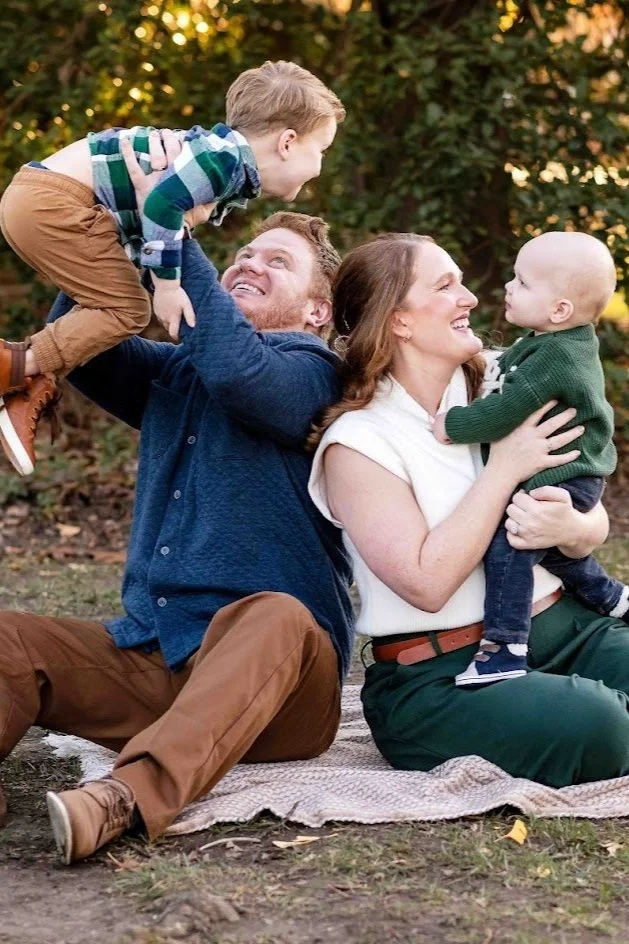
Ohhh, this one. Nothing humbles you quite like parenthood. Before having my own kids, I thought I understood kids. I mean I’ve spent my entire adult life working with them, I know them all, right? I thought I was patient with parents. I thought I got what they were going through every day. And I did! Sorta…Because when I became a parent? I swear I became a new person entirely. (Actually, fun fact! A lot of research has shown that mother’s brains are literally different postpartum. I believe it 10000%)
Anywho, this is a topic that I just KNOW pre-mom Brittany would be raging about. There were so many times that someone told me “you’ll do XYZ differently as an SLP when you become a mom”. Or the classic “you’ll understand when you have your own children.” It made my blood boil! But now, I kinda get it…
Now before I go any further, I want to clarify: I still believe you can be an incredible SLP without being a parent. Being a parent is not mandatory to be a skilled speech therapist. BUT, for me, it really changed my perspective and improved my therapy approach and rapport with families once I had my own children to consider.
Everything about my approach to parents changed when I had my son. IEP meetings hit differently now. I think about what it would feel like to sit in one of those meetings about my child, and I adjust the way I speak to parents accordingly. I explain things more, check my tone, and make an extra effort to be kind and reassuring. Nothing grinds my gears more than sitting in a meeting with another provider who brushes off parent concerns, rushes through a meeting, focuses too heavily on the “weaknesses” and doesn’t even stop to think how overwhelming the conversation must be for that parent. That parent who is often there alone! Just sitting at a table of professionals list all the things that your child needs to work on, making you question if you did something wrong.... It must be so isolating and disheartening for parents if they don’t have a support system in their IEP team. So now, I make sure to give extra time, focus on the positives and be a supportive, compassionate ear for all parents.
I also see children differently, especially when it comes to temperament style. My own son has a slow to warm temperament, and it has completely changed how I approach quick screenings. Speech Therapy screenings (in school settings) are often 10-15 minute snapshots of a child’s current communication skills. My son? Ain’t no way he would warm up to someone in 10-15 minutes. A small glimpse into a child’s behavior or performance around a new person doesn’t tell you everything. Before, I knew this logically. Now? I feel it. I’m more patient, more understanding, and more aware that there is always more to the story than what I see in my initial intake sessions. I give each client a little grace because that first evaluation or session is not the best or most accurate reflection of their true language and abilities. They need time to grow comfortable and to learn the nuances of their communication styles. This shift to parenthood has really opened my eyes to patience and perspective.
At the heart of all of these experiences is one common theme: empathy. Each of these life-changing moments forced me to step outside of myself and truly consider how someone else experiences the world. And that, more than anything, has made me a better speech therapist.
Growth is messy. Perspective shifts can be uncomfortable. But if we’re willing to keep learning and adjusting, we can make this field better—not just for our kids but for everyone involved.
And that’s exactly why I wrote A Tail of Empathy: Rocky Gains a Brother. If we want a more understanding, compassionate world, we have to start early—by teaching kids what empathy is and how to practice it. My experiences shaped me into a more empathetic therapist, and now I want to pass that on to children, families, and educators. Because empathy changes everything, and it’s something we can all get better at. If you’d like to learn more about my debut book A Tail of Empathy, be sure to sign up here for launch updates and to be the first to pre-order!